What the service does
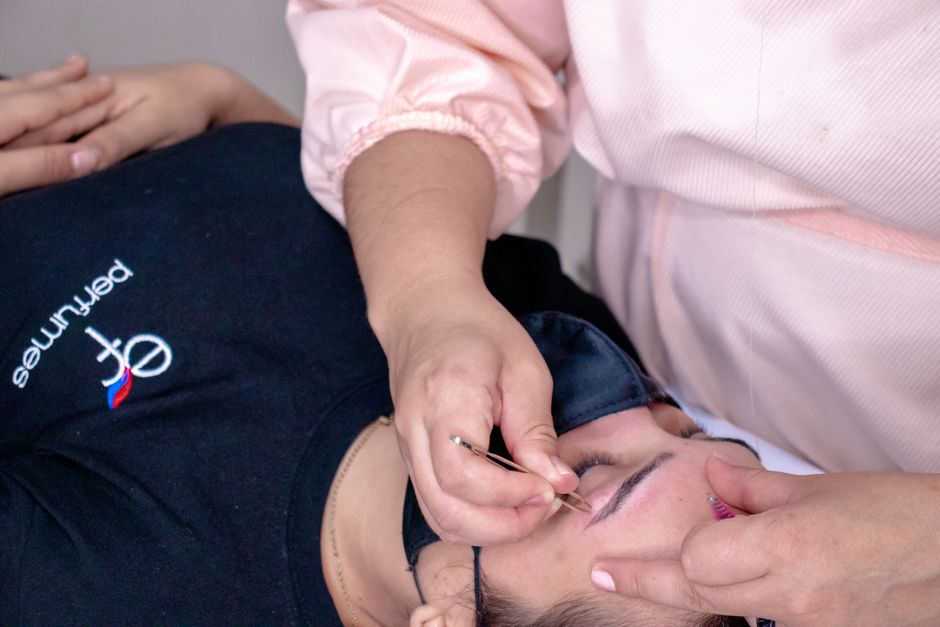
Brow Lamination + Tint Add-On pairs the setting effect of a lamination with semi‑permanent color applied to brow hair and skin to create the appearance of fullness, darkness, and dimension. In Wexford’s commuter-oriented lifestyle many clients choose this service to reduce daily makeup time and maintain a polished look through school or work routines.
Results are visible immediately, though the tint often softens as it settles and natural hair texture becomes established. The combination is listed at $0 and scheduled for 45 minutes, so it fits easily into a before‑ or after‑work appointment. Trade-offs include routine maintenance and occasional touch-ups to preserve the same level of definition.
During your appointment experience
Appointments begin with a short consultation to confirm preferred shape and shade based on natural hair and facial balance. A trained technician performs the lamination steps to lift and set hairs, then applies semi‑permanent color to add depth; the flow is designed to respect your natural brow pattern while enhancing perceived fullness during the single 45 minutes session.
Aftercare emphasizes gentle handling rather than complex routines—avoid heavy rubbing and aggressive exfoliation around the brow area. Because Wexford has four distinct seasons, plan appointments around seasonal activities—outdoor summer events or winter holidays—to minimize factors that can accelerate color fading and to ensure brows look event-ready when you need them most.
Choosing shape and shade
Shape decisions are guided by hair growth direction, face proportions and the client’s desired level of definition. During consultation, technicians discuss how a tint depth will interact with your natural color so the result adds dimension without obscuring shape. Many local professionals and busy families favor a natural, photo‑ready outcome that simplifies morning routines.
Darker tints give stronger contrast but may require more frequent upkeep as semi‑permanent color gradually fades. Lifestyle factors common in this region—sun exposure, pool or sweat from active routines, and frequent face washing—can affect fade rates. Consider scheduling ahead of major events in May, June, November or December when demand is highest.